
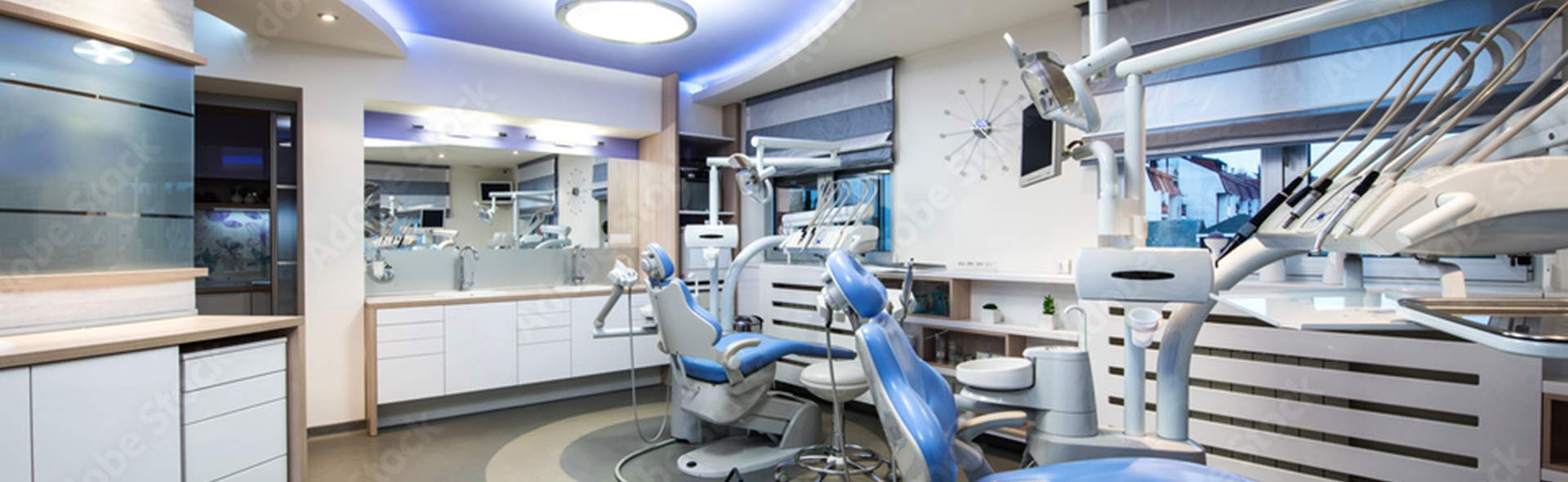
The utility room might be the least glamorous space in a dental practice, but it’s arguably the most important. Dental utility room equipment is the backbone of every operatory in the building. Without reliable air and vacuum, your handpieces stop, your suction fails, and patient care comes to a halt. Getting the right equipment in that room, and understanding what it does and why it matters, is something every practice owner and office manager should think carefully about.
The Core Systems Every Utility Room Needs
At minimum, a properly outfitted dental utility room requires three things: a compressed air source, a vacuum system, and the supporting infrastructure to keep both running efficiently. These aren’t optional add-ons. They’re fundamental to daily operations, and the quality of your equipment directly affects the quality of care you can deliver.
Dental Air Compressors
The compressed air supply powers a wide range of instruments throughout the practice. Handpieces, air syringes, and air-driven tools all depend on a clean, consistent air supply. For dental applications, this means oil-free air. An oilless compressor eliminates the risk of oil contamination reaching patient areas, which is a critical concern from both a clinical and a regulatory standpoint.
When sizing a compressor, you need to account for the number of operatories running simultaneously, not just the total number of chairs in the practice. A system that struggles to keep up with peak demand will cause pressure drops that affect instrument performance. We’ve spent more than 30 years engineering compressors specifically for dental use, so our systems are built around the real-world demands of a busy practice, not just general industrial specifications.
Vacuum Systems
Dental vacuum systems come in two main types: wet ring and dry vacuum. Both have a place in the market, and the right choice depends on your practice’s setup, water usage preferences, and local regulations.
Wet ring vacuum systems use water to create suction and have been the standard for decades. They’re reliable and effective. Dry vacuum systems, on the other hand, operate without the continuous use of water, which makes them appealing for practices looking to reduce water consumption and operating costs over time. Either way, the vacuum system needs to be sized correctly for the number of operatories it serves, and it needs to run quietly enough not to disrupt the patient experience in nearby treatment rooms.
Proper vacuum performance also depends on well-maintained lines and separators. A separator removes solids and amalgam from the waste stream before it reaches the vacuum motor, protecting the equipment and keeping you compliant with amalgam waste regulations.
Supporting Equipment and Accessories
Beyond the compressor and vacuum units themselves, a well-designed utility room includes a few other pieces of equipment worth considering.
Air dryers and filtration help ensure the compressed air reaching your operatories is dry and clean. Moisture in air lines can damage handpieces and introduce contamination, so proper filtration isn’t something to skip. Pressure gauges and alarm systems let your team monitor system status at a glance and catch problems early, before a minor issue becomes a full shutdown. And if your practice runs multiple units for redundancy (which is a smart move for larger practices), isolation valves allow one unit to be serviced without taking the whole system offline.
Installation, Maintenance, and Planning Ahead
Even the best equipment underperforms if it’s installed poorly. Utility room layout affects airflow, heat dissipation, and access for service. Compressors need adequate ventilation. Vacuum units need proper drainage. Lines need to be sized correctly for the distance they travel to each operatory.
Routine maintenance is equally important. Filters need to be changed on schedule. Belts and tanks need periodic inspection. A system that gets regular attention will last significantly longer and cause far fewer emergency calls. We offer a strong warranty on our products because we stand behind the engineering, and because we want practices to feel confident in what they’re running.
One practical note for practices in the planning or replacement phase: same-day shipping is available on our equipment, which matters when a system goes down unexpectedly or a new office build is on a tight timeline.
Choosing Equipment Built for Dental
General industrial compressors and vacuum systems are not the same as equipment engineered for dental applications. The duty cycles are different, the air quality requirements are different, and the consequences of downtime are different. Our systems are manufactured in Fresno, California, and have been built specifically for dental practices across the United States and Canada for over three decades. That depth of experience shows up in the details of how our equipment is designed, tested, and supported.
If you’re outfitting a new practice, upgrading aging equipment, or simply trying to understand what your current utility room setup should include, we’re glad to help. Give us a call or drop us an email and we’ll answer your questions and point you in the right direction.