A dry dental vacuum system does exactly what the name suggests: it pulls suction through the operatory without relying on water to seal or drive the pump. For dental practices looking to cut utility costs, reduce their environmental footprint, and simplify their equipment rooms, that single distinction matters quite a bit. We want to walk through how these systems work, why the waterless design is such a practical advantage, and what to keep in mind when evaluating one for your practice.
What Makes a Dry Vacuum Different
Traditional wet-ring vacuum systems use a continuous flow of water to create the seal inside the pump that generates suction. They work reliably enough, but they consume a significant amount of water every single day the practice is open. That water has to go somewhere, which means added load on your drain lines and, depending on your local regulations, potential amalgam separator compliance considerations tied to wastewater volume.
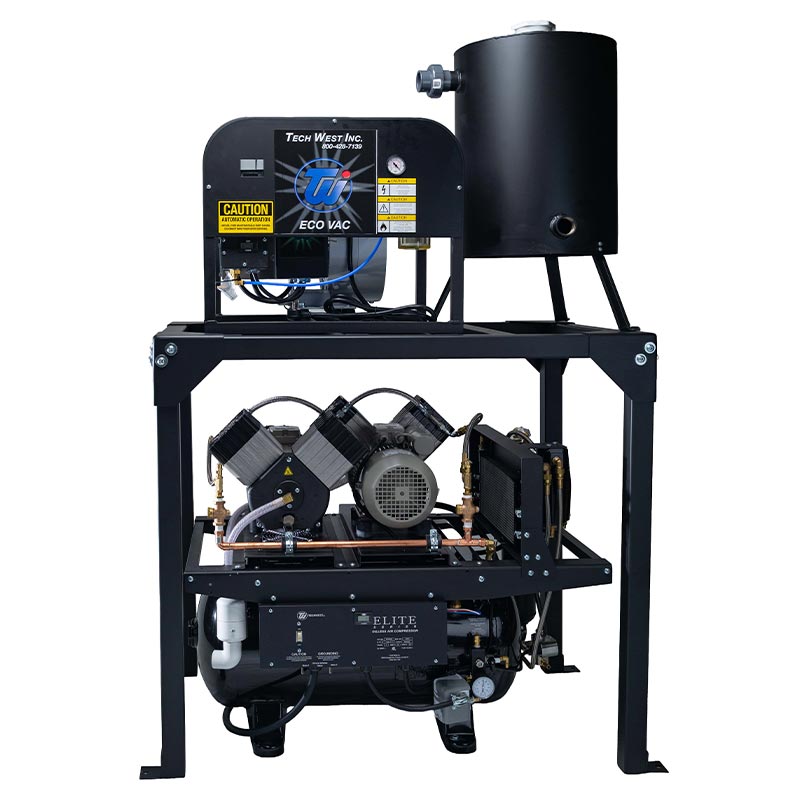
A dry vacuum system generates suction mechanically, through a motor-driven rotary vane or similar mechanism, without any water running through the pump at all. The result is a closed, self-contained unit that produces consistent, strong suction from the moment it starts up to the moment it shuts off. There is no water supply line to connect to the vacuum pump itself, no water discharge to manage, and no ongoing water consumption to factor into your monthly utility bill.
The Practical Benefits in the Operatory and Beyond
The water savings alone are enough to get the attention of most practice administrators. A busy multi-chair practice running a wet-ring system can use thousands of gallons of water per month just to keep the vacuum running. Switching to a dry dental vacuum system eliminates that consumption entirely, which translates directly into lower water bills and a smaller environmental impact. For practices in regions where water costs are high or conservation matters, the financial case tends to be pretty straightforward.
Beyond water, dry systems tend to be quieter and easier to maintain than their wet counterparts. Because there is no water handling involved, there are fewer components to inspect, fewer places for scale or mineral buildup to develop, and less routine service required to keep things running well. The equipment room stays drier and cleaner, which is a small thing day to day but adds up over the life of the unit.
Waste reduction is another real advantage. Wet vacuum systems generate wastewater that has to be processed and discharged properly. Dry systems produce no liquid waste from the vacuum pump itself, which simplifies compliance and reduces the strain on your amalgam separator and drain infrastructure.
Sizing and System Considerations
Choosing the right dry vacuum system comes down to a few key variables: the number of operatory chairs, the volume of procedures performed daily, and whether you are building a new equipment room or retrofitting an existing one. Undersizing a vacuum system is one of the more common mistakes we see, and it shows up as weak suction during busy periods, which frustrates both the clinical team and patients.
A well-matched system should deliver consistent suction across all active chairs simultaneously, with enough capacity to handle peak demand without straining the motor. In most cases, it also makes sense to think about redundancy. A dual or modular unit means that if one motor needs service, the other keeps the practice running rather than shutting everything down for the day.
Installation is generally straightforward compared to wet systems, since you are not routing water supply lines to the vacuum pump. That said, proper plumbing of the vacuum lines, appropriate electrical service, and good ventilation in the equipment room all matter for long-term performance.
American-Made Reliability Over the Long Term
At Tech West Vacuum, we have been manufacturing dental vacuum and compressor systems in the United States for more than 30 years, right out of our facility in Fresno, California. Every dry vacuum system we build reflects the kind of engineering and craftsmanship that dental practices and service technicians across the country and Canada have come to rely on. We back our products with a solid warranty, and when questions come up, our support team is reachable by phone Monday through Friday.
If you are evaluating a dry dental vacuum system for your practice, or you have questions about sizing, installation, or how our systems compare, we would be glad to talk it through. Give us a call or drop us an email and we will help you find the right fit.